
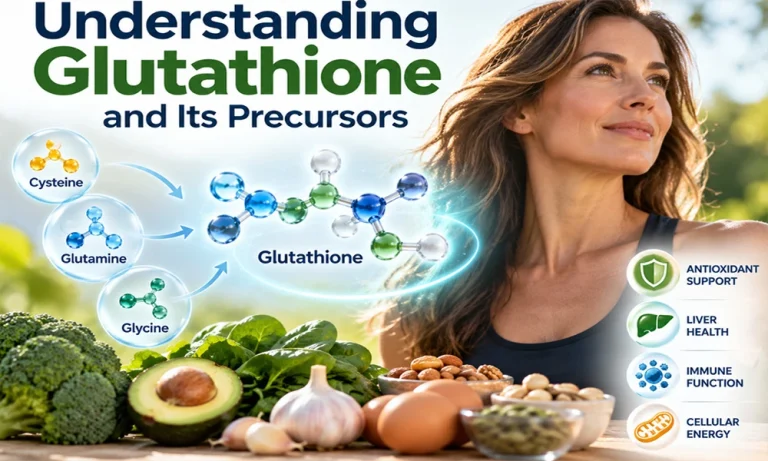
Glutathione is gaining attention in the health and wellness world, particularly among people interested in antioxidants, nutrition, and healthy aging. But while many people have heard of glutathione supplements, fewer understand how the body naturally produces this important antioxidant.
The human body makes its own glutathione using three amino acids obtained through food and normal metabolic processes. These building blocks, known as glutathione precursors, play an important role in maintaining the body’s natural antioxidant defenses.
Understanding how glutathione is produced, what nutrients support its formation, and how different supplements work can help consumers make more informed wellness decisions.
What Is Glutathione and Why Is It Important?
Glutathione is a naturally occurring antioxidant found in nearly every cell of the human body.
It is made from three amino acids: glutamate, cysteine, and glycine.
One of its primary functions is helping cells manage oxidative stress. This occurs when reactive oxygen species accumulate faster than the body’s protective systems can manage them.
Reactive oxygen species are produced naturally during metabolism. In normal amounts, they serve useful biological functions. However, excessive oxidative activity can damage important cellular structures.
Glutathione helps maintain a healthy balance by participating in antioxidant reactions that protect cells.
It also supports several other biological processes, including normal immune cell function, protein maintenance, and certain reactions involved in processing compounds in the liver.
Because of these functions, researchers continue studying glutathione’s relationship with cellular health and aging.
However, glutathione’s importance does not mean that increasing its levels automatically prevents illness or improves overall health.
What Are Glutathione Precursors?
A precursor is a substance used by the body to produce another compound.
Glutathione precursors are the amino acids needed to manufacture glutathione naturally.
The three primary building blocks are:
- Glutamate: An amino acid involved in protein metabolism and numerous cellular processes.
- Cysteine: A sulfur-containing amino acid that plays a particularly important role in glutathione production.
- Glycine: An amino acid used in protein synthesis and several other metabolic functions.
Cells combine these amino acids through a series of enzyme-controlled reactions.
First, glutamate and cysteine are joined together. Glycine is then added to form the complete glutathione molecule.
The process depends on nutrient availability, enzyme activity, and the body’s metabolic needs.
This explains why adequate nutrition is important for supporting normal glutathione production.
Why Cysteine Is an Important Glutathione Precursor
Cysteine receives considerable attention because its availability can influence glutathione synthesis under certain conditions.
This amino acid contains sulfur, which is important for glutathione’s antioxidant activity.
The body obtains cysteine through dietary protein and can also produce it through metabolic pathways involving other amino acids.
Cysteine is closely related to cystine, a compound formed when two cysteine molecules are joined together.
Certain nutritional products emphasize cystine-rich proteins because they supply amino acid building blocks involved in glutathione synthesis.
However, providing more cysteine or cystine does not guarantee that the body will produce more glutathione in every circumstance.
Glutathione synthesis is carefully regulated, and the effects of supplementation can vary between individuals.
The Roles of Glycine and Glutamate
Although cysteine often receives the most attention, glycine and glutamate are equally necessary components of the glutathione molecule.
Glycine participates in protein synthesis and other metabolic processes. It is found in many protein-rich foods, including meat, fish, dairy products, and legumes.
The body can also produce glycine naturally.
Researchers have investigated whether additional glycine, sometimes combined with cysteine-related nutrients, can influence glutathione production in certain populations.
Some early findings are promising, but additional research is needed to establish meaningful health benefits.
Glutamate, the third building block, is widely involved in normal metabolism.
Because the body generally maintains glutamate through dietary intake and internal production, supplement discussions tend to focus more on cysteine and glycine.
Nevertheless, all three amino acids are essential to the process.
How Food Supports Natural Glutathione Production
One of the most practical ways to support normal glutathione synthesis is by eating a balanced diet containing adequate protein.
When protein is digested, it breaks down into amino acids that the body uses for numerous purposes, including tissue maintenance and the production of important cellular compounds.
Common protein sources include eggs, poultry, fish, dairy products, beans, lentils, tofu, nuts, and seeds.
A varied diet also provides vitamins and minerals that contribute to normal antioxidant activity.
For example, selenium is required for the activity of certain glutathione-related enzymes, while vitamin C participates in other antioxidant processes.
Vegetables such as broccoli, cabbage, and Brussels sprouts contain naturally occurring compounds studied for their effects on cellular defense systems.
However, no single food guarantees increased glutathione levels.
Overall dietary quality matters more than relying on one particular ingredient.
Understanding Whey Protein and Glutathione Precursors
Whey protein is a complete protein derived from milk. It contains all nine essential amino acids and is widely used to support general nutrition and muscle maintenance.
Certain whey proteins also provide cysteine-containing compounds involved in glutathione production.
This has led to interest in specialized whey-derived nutritional products.
One example is Immunocal, a cystine-rich whey protein product designed to supply amino acid precursors used in the body’s natural glutathione synthesis pathways.
Unlike supplements containing glutathione directly, Immunocal provides protein-derived building blocks that the body can use in its own metabolic processes.
It is important to recognize that not all whey protein products have identical compositions or supporting research.
Readers interested in learning more about Immunocal, its ingredients, and how cystine-rich whey proteins differ from conventional protein supplements can explore the educational information atImmuneGluta.com.
As with any nutritional supplement, consumers should distinguish established nutritional functions from broader health claims that require additional scientific evidence.
Direct Glutathione Supplements Versus Glutathione Precursors
When researching glutathione supplements, consumers generally encounter two different approaches.
The first involves taking products that contain glutathione itself. These supplements may be available as capsules, powders, liquids, or liposomal formulations.
The second approach involves supplying the body with nutrients used to produce glutathione naturally.
These may include cysteine-related compounds, glycine, or specialized protein formulations.
Both approaches have been investigated in scientific studies, but they are not interchangeable.
Some research has reported changes in glutathione measurements following particular interventions. However, results vary depending on the ingredients, dosage, duration, and people studied.
An increase in glutathione levels does not automatically establish improvements in energy, immune health, or longevity.
Understanding these differences is important before choosing a product.
Want to learn more about glutathione and how your body produces it?
Check out our Glutathione Guide for additional information about glutathione, its amino acid precursors, antioxidant health, and the different approaches to supporting natural glutathione production.
Learning how these processes work can make it easier to compare ingredients, understand supplement labels, and recognize exaggerated marketing claims.
What Is N-Acetylcysteine?
N-acetylcysteine, commonly known as NAC, is another compound frequently discussed in connection with glutathione.
NAC can supply cysteine, one of the amino acids required for glutathione synthesis.
It has established medical applications, including treatment of acetaminophen overdose under professional medical supervision.
NAC is also marketed as a dietary supplement and has been studied for other potential applications.
However, its medical uses should not be confused with general wellness claims.
NAC may cause side effects or interact with certain medications. Anyone considering it for a specific health concern should seek qualified medical guidance.
Does Glutathione Production Change With Age?
Researchers have investigated whether glutathione metabolism changes as people get older.
Some studies have found differences in glutathione concentrations or antioxidant balance in certain tissues and populations of older adults.
These findings have contributed to growing interest in glutathione precursors and healthy aging.
However, aging affects individuals differently, and glutathione measurements alone do not provide a complete picture of health.
Researchers are still investigating whether particular supplements produce meaningful improvements in physical function, quality of life, or other outcomes.
There is currently insufficient evidence to claim that glutathione supplements or their precursors reverse aging.
A broader approach that includes nutrition, exercise, sleep, and preventive healthcare remains essential.
How to Choose Glutathione-Related Supplements
With so many products marketed for antioxidant support, understanding supplement labels is important.
Consumers should first identify whether a product contains glutathione directly or provides precursors involved in its synthesis.
The ingredient list should clearly explain what the product contains and how much is included in each serving.
Other considerations include manufacturer transparency, quality-control practices, and whether independent testing is available.
Research involving an individual ingredient does not necessarily prove that every finished product containing that ingredient will produce the same effects.
Consumers should also be cautious about products promising dramatic anti-aging benefits or guaranteed improvements in health.
Supplements may be appropriate in certain circumstances, but they should not replace balanced nutrition or necessary medical treatment.
Everyday Habits That Support Antioxidant Health
Supporting the body’s antioxidant defenses involves more than choosing a supplement.
Eating adequate protein helps supply amino acids needed for normal cellular processes.
Fruits and vegetables provide vitamins, minerals, and plant compounds that contribute to overall nutritional health.
Regular physical activity can help the body maintain healthy metabolic and antioxidant responses.
Adequate sleep supports recovery and normal physiological regulation.
Avoiding tobacco and limiting excessive alcohol consumption can also reduce preventable sources of cellular stress.
These habits have broader evidence supporting their value for long-term health than many products promoted as antioxidant shortcuts.
Final Thoughts
Glutathione is an important antioxidant that the body naturally produces using three amino acids: glutamate, cysteine, and glycine.
These glutathione precursors help explain the connection between dietary protein, cellular metabolism, and antioxidant function.
Specialized nutritional products may supply glutathione directly or provide building blocks involved in its natural production.
Understanding the differences between these approaches allows consumers to evaluate ingredients and supplement claims more carefully.
For most people, the foundation of healthy glutathione metabolism begins with balanced nutrition, adequate protein, regular physical activity, and other established wellness habits.
Learning how glutathione works is a useful first step toward making informed decisions about antioxidant health.