Category

Health

Category

As regenerative medicine has grown rapidly as a field, patients researching treatment options face a genuinely difficult challenge: distinguishing credible, ethical providers from those making unsupported or exaggerated claims about what their specific treatments can realistically achieve for any given patient. This challenge exists globally and deserves serious, careful attention from anyone considering this significant medical decision.

Laboratory accreditation stands as one of the most fundamental factors to verify before committing to any provider whatsoever. A credible clinic should be able to clearly explain exactly where and how cells are processed, under what specific accreditation standards, and whether the facility undergoes regular inspection by an appropriate regulatory body with genuine oversight authority. A provider who cannot answer these questions clearly is signalling something important about their overall approach to patient care and transparency.

Before choosing any provider, patients should specifically ask who reviews their case before treatment is confirmed to proceed – genuine, ethical practice involves more than a single specialist making this determination in isolation from other qualified input. How a provider communicates about expected outcomes often provides the clearest window into their overall trustworthiness as a medical practice. Be genuinely cautious of any provider who guarantees a cure or promises a specific fixed percentage of improvement without appropriate caveats about individual variation.

Reputable stem cell treatment centers are generally willing to discuss laboratory accreditation, treatment evaluation processes, and realistic outcome expectations openly and in genuine detail, rather than deflecting this kind of reasonable scrutiny from prospective patients. Aftercare planning deserves equal attention during this evaluation process – ask specifically what monitoring is planned following any procedure and how follow-up care will be coordinated if you’re travelling internationally and returning home afterward.

Patients are encouraged to review a provider’s approach to case evaluation and aftercare as a genuinely key indicator of overall treatment quality and trustworthiness, since these operational details often reveal considerably more about a clinic’s actual standards than any marketing materials or promotional claims could ever convey to a prospective patient making this significant decision.

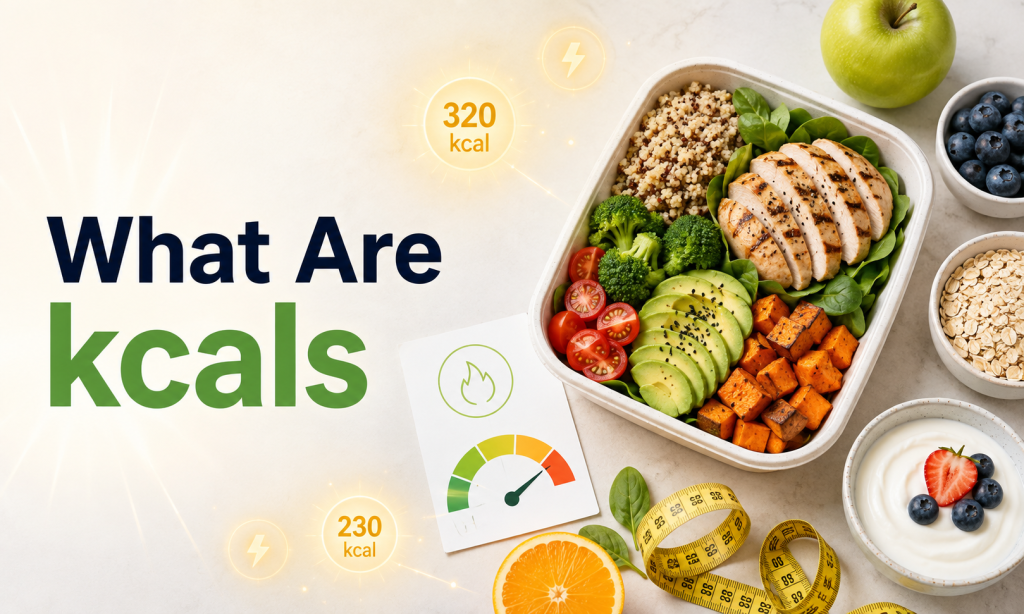
If you are wondering what are kcals, the simplest explanation is that if an app says 500 kcal and a U.S. food label says 500 Calories, they are telling you the same thing.

The word kcal can make nutrition look more technical than it really is. In everyday food and fitness language, one kilocalorie, written as 1 kcal, is the same amount of energy Americans usually call 1 Calorie with a capital C.

So a meal listed as 650 kcal contains the same food energy as a meal listed as 650 Calories on a U.S. Nutrition Facts label. You do not multiply the food-label number by 1,000. The 1,000-to-1 difference matters only when you compare a kilocalorie with the much smaller scientific unit called a calorie with a lowercase c.

That distinction explains why nutrition apps, international food packages, exercise machines, and U.S. labels can use different-looking terms while reporting the same practical energy amount.

KEY TAKEAWAYS

·        1 kcal equals 1 food Calorie, also written as 1 Cal with a capital C.

·        1 kcal equals 1,000 small scientific calories.

·        A U.S. Nutrition Facts label that says 200 Calories is effectively reporting 200 kcal.

·        Carbohydrate and protein generally provide about 4 kcal per gram, while fat provides about 9 kcal per gram.

·        The FDA uses 2,000 Calories per day as a general label-reference amount, not as a personalized prescription.

·        Your actual energy needs vary with age, body size, activity, life stage, health, and other individual factors.

The 10-Second Decoder: kcal, Calorie, and calorie

Term Symbol Where You See It What It Means
1 calorie cal Small scientific unit Energy needed to raise about 1 gram of water by 1°C
1 kilocalorie kcal Food-energy unit 1,000 small calories
1 Calorie Cal U.S. nutrition term The same energy as 1 kcal

In normal nutrition conversation, people usually write ‘calories’ with a lowercase c even when they technically mean kilocalories. That shortcut is so common that it rarely causes a practical problem. The confusion appears mostly when someone notices kcal on an app or international label and assumes it must be a different number.

Why Does a Kilocalorie Equal 1,000 Calories?

The prefix kilo means 1,000. A kilometer is 1,000 meters, and a kilogram is 1,000 grams. The same logic applies to energy units: one kilocalorie is 1,000 calories.

A small calorie is traditionally defined in terms of the energy required to raise the temperature of a small amount of water. A kilocalorie scales that energy up by 1,000. In modern scientific work, energy is usually expressed in joules rather than calories.

The conversion is straightforward: 1 small calorie equals 4.184 joules, so 1 kilocalorie equals 4,184 joules, or 4.184 kilojoules.

That is why labels in some countries show both kcal and kJ. For example, 250 kcal is about 1,046 kJ.

Why Do U.S. Food Labels Say Calories Instead of kcal?

The FDA Nutrition Facts Label guidance uses the word Calories for the energy in a serving of food or beverage. In this context, the number is a kilocalorie value even though the label does not print kcal next to it.

If a cereal label says 140 Calories per serving, that means 140 kcal. If a European nutrition app shows the same serving as 140 kcal, the energy amount has not changed.

The FDA also emphasizes serving size because calorie information is usually listed per serving. If a package contains two servings and you eat the whole package, you generally consume twice the Calories shown for one serving.

Where Do Kcals in Food Come From?

Food energy comes mainly from carbohydrate, protein, and fat. Alcohol also contributes energy.

For ordinary nutrition calculations, the familiar Atwater factors are:

Macronutrient Approximate Energy
Carbohydrate About 4 kcal per gram
Protein About 4 kcal per gram
Fat About 9 kcal per gram

The USDA’s FoodData Central reports food energy in kcal and explains that many energy values are calculated using Atwater factors. This is one reason a food’s calorie total can often be estimated from its grams of carbohydrate, fat, and protein.

For example, imagine a food containing 20 grams of carbohydrate, 10 grams of protein, and 5 grams of fat. A rough calculation would be 80 kcal from carbohydrate, 40 kcal from protein, and 45 kcal from fat, for about 165 kcal total.

Real labels can differ slightly from a simple calculation because food composition, fiber, sugar alcohols, specialized factors, laboratory methods, and FDA rounding rules can affect the displayed number.

If My Fitness Watch Says I Burned 400 Calories, Is That 400 kcal?

Yes. In everyday fitness language, a device reporting 400 calories burned is effectively reporting about 400 kcal of energy expenditure.

The harder question is whether the estimate is accurate. Watches and exercise machines infer calorie burn from inputs such as heart rate, movement, age, body size, workout type, and proprietary algorithms. They do not directly measure every calorie your body uses.

Treat workout calorie numbers as estimates rather than permission to replace every displayed calorie with extra food. Two devices can produce different numbers for the same session, and exercise energy expenditure varies between people.

Does 2,000 kcal Mean Everyone Should Eat 2,000 Calories?

No. The 2,000-Calorie figure on U.S. labels is a reference amount used to make nutrition information easier to compare.

The FDA notes that an individual’s needs can be higher or lower depending on factors including age, sex, height, weight, and physical activity. Pregnancy, breastfeeding, growth, illness, training volume, and weight-management goals can also change energy needs.

The current U.S. Dietary Guidelines for Americans, 2025-2030, were released in 2026. They emphasize overall eating patterns and nutrient-rich food choices rather than treating one calorie level as correct for everyone.

For current federal nutrition guidance, see the Dietary Guidelines for Americans. Personalized calorie targets are better estimated from individual characteristics than copied from the 2,000-Calorie label reference.

Why Two Foods With the Same Kcals Can Affect You Differently

Calories measure energy, not overall nutritional quality.

A 250-kcal snack could be a combination of fruit, yogurt, and nuts, or it could be a sugary beverage and candy. The energy total may be similar, but the foods can differ greatly in protein, fiber, vitamins, minerals, added sugars, saturated fat, volume, and how filling they feel.

Protein and fiber often contribute to fullness. Foods with water and fiber can provide more volume for the same calorie total. Highly energy-dense foods can pack many kcal into a small portion.

This is why calorie awareness can be useful without making calories the only thing you consider. A better label-reading approach is to look at serving size, Calories, protein, fiber, added sugars, saturated fat, sodium, and the ingredient list together.

Kcal vs kJ: What If the Label Uses Kilojoules?

Kilojoules measure the same thing, energy, using the international SI system.

A useful conversion is:

1 kcal = 4.184 kJ

So 100 kcal is about 418 kJ, and 500 kcal is about 2,092 kJ.

You usually do not need to convert manually. Many labels outside the United States list both values, and nutrition apps often let you choose a preferred energy unit.

Common Kcal Mistakes to Avoid

Mistake 1: Multiplying Food-Label Calories by 1,000

If a U.S. label says 300 Calories, it already means about 300 kcal. You should not interpret it as 300 small scientific calories or convert it to 300,000 food Calories.

Mistake 2: Treating the Serving Size as a Recommendation

Serving size tells you the amount used for the nutrition calculation. The FDA specifically notes that serving size reflects how much people typically consume, not how much an individual should necessarily eat.

Mistake 3: Assuming Low-Calorie Automatically Means Nutritious

A low-kcal item can still be high in sodium or low in fiber, protein, vitamins, and minerals. Likewise, calorie-dense foods such as nuts can provide useful nutrients. Context and portion size matter.

Mistake 4: Treating Exercise Calories as Exact

Wearable and machine estimates are useful for trends, but they are not laboratory measurements. Avoid building a precise eating plan around one workout number.

Mistake 5: Using a Fixed Calorie Formula for Weight Change

Weight change is influenced by energy intake and expenditure, but the body adapts over time. Metabolism, body composition, water balance, activity, appetite, and adherence all affect real-world results.

Simple rules such as assuming a fixed calorie deficit will always produce the same amount of weight loss can be useful as rough illustrations, but they should not be treated as precise biological predictions.

How Should You Use Kcals When Reading a Nutrition Label?

A simple five-step scan works well:

  • Check the serving size first.
  • Look at Calories, which are equivalent to kcal.
  • Decide how many servings you are actually eating.
  • Check protein, fiber, added sugars, saturated fat, and sodium.
  • Compare similar foods using the same serving amount whenever possible.

Suppose a package lists 220 Calories per serving and contains three servings. Eating one serving gives you 220 kcal. Eating half the package gives you about 330 kcal. Eating the whole package gives you 660 kcal.

That simple serving-size check prevents more confusion than almost any advanced calorie calculation.

Frequently Asked Questions

Is 1 kcal the same as 1 Calorie?

Yes. In nutrition, 1 kcal equals 1 Calorie with a capital C. This is the unit used for food energy on U.S. labels, even though labels usually print the word Calories rather than kcal.

Is 100 kcal the same as 100 calories on a food label?

Yes. A U.S. food label showing 100 Calories is reporting approximately the same amount of food energy as 100 kcal.

How many small calories are in 1 kcal?

There are 1,000 small scientific calories in 1 kilocalorie.

How many joules are in 1 kcal?

One kilocalorie equals 4,184 joules, or 4.184 kilojoules.

Do kcal make you gain weight?

Kcal are simply a measure of energy. Consistently consuming more energy than your body uses can contribute to weight gain, while consistently consuming less can contribute to weight loss. Real body-weight changes are affected by many factors and are not perfectly predicted by one fixed formula.

Why does Europe use kcal?

Many food-labeling systems outside the United States display energy as kcal, often alongside kJ. U.S. labels usually use Calories, but the practical food-energy unit is the same.

Should I count kcal every day?

Not everyone needs to. Tracking can be useful for some goals, but meal quality, hunger and fullness, medical needs, activity, and sustainability matter too. People with specific nutrition or health concerns may benefit from individualized guidance from a registered dietitian or clinician.

The Bottom Line

Kcals are simply units of food energy. One kcal equals one food Calorie, so the numbers you see in a nutrition app, on an international food package, or on a U.S. Nutrition Facts label can usually be compared directly.

The technical difference only appears when you compare a kilocalorie with a small scientific calorie: 1 kcal equals 1,000 calories. For everyday eating, that distinction is mostly terminology.

The more useful skill is knowing what the number can and cannot tell you. Calories help describe energy intake, but they do not measure overall diet quality. Start with serving size, understand that Calories and kcal are equivalent in nutrition, and use the rest of the label to judge the food’s nutrient profile.

This article is for general educational purposes and is not individualized nutrition or medical advice. Nutrition guidance and labeling information were checked against current U.S. federal sources available in August 2026.


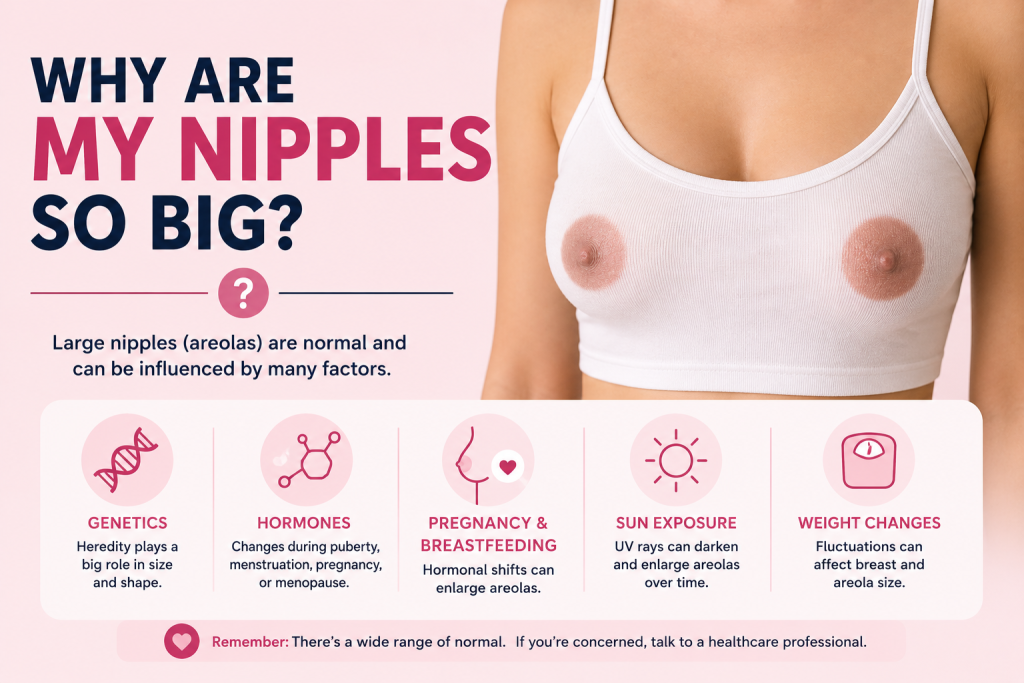
Nipples and areolas vary widely, so if you are asking why are my nipples so big, the most useful clues are whether the appearance is normal for you, whether it changed recently, and whether other breast symptoms appeared at the same time.

The first step is to identify which part looks larger. The nipple is the raised or flat structure in the center of the breast. The areola is the circular area of darker or differently colored skin surrounding it. Many people who are concerned about “large nipples” are actually noticing large areolas.

Both nipple and areola size vary naturally from person to person. Genetics, breast size, puberty, hormonal changes, pregnancy, breastfeeding, weight changes, aging, and benign breast conditions can all affect how the nipple-areola complex looks. One side can also be slightly different from the other without signaling a health problem.

Cleveland Clinic notes in its nipple anatomy guide that nipple appearance varies from person to person. Nipples can protrude, lie flat, or point inward, and the surrounding areola is a separate structure whose size and color also vary widely.

KEY TAKEAWAYS

·        There is no single “correct” nipple or areola size. Normal anatomy has a broad range.

·        If the nipple-areola area has always looked large and both sides are otherwise healthy, it is usually normal variation.

·        Puberty, pregnancy, breastfeeding, menstrual hormones, weight changes, and breast growth can make nipples or areolas look larger.

·        In males, gynecomastia or increased chest fat can make the nipple and areola look wider or puffier.

·        A recent one-sided change deserves more attention than a stable lifelong difference.

·        New nipple inversion, bloody or spontaneous discharge, a lump, skin dimpling, persistent scaling, or redness should be evaluated by a healthcare professional.

First, Are You Looking at the Nipple or the Areola?

Part What It Is
Nipple The central structure that may protrude, lie flat, or turn inward. It contains small openings for milk ducts.
Areola The circular pigmented skin around the nipple. It can be small, large, round, oval, light, dark, smooth, or bumpy.
Montgomery glands Small oil-producing glands in the areola that can look like tiny bumps and may become more noticeable with hormonal changes.

This distinction matters because an areola can expand as the breast grows even when the central nipple has barely changed. Darker pigmentation can also make an areola seem visually larger than it is.

Is There a Normal Nipple Size?

There is a wide normal range rather than one ideal measurement. Cleveland Clinic reports an average nipple width of about 10 to 12 millimeters, but an individual nipple can be smaller or larger and still be healthy. Appearance also changes with temperature, touch, hormonal shifts, and sexual arousal because smooth muscle in the nipple can contract.

Areola size varies even more. People with larger breasts often have larger areolas, but breast size does not perfectly predict areola size. Two healthy people of the same age and body size can have very different nipple and areola proportions.

Symmetry is also not required. One breast, nipple, or areola may be somewhat larger than the other. A stable difference that has been present for years is generally less concerning than a new change.

Why Can Nipples or Areolas Look Bigger Over Time?

Puberty and Normal Breast Development

During puberty, rising hormones stimulate breast tissue and the duct system to grow. Johns Hopkins Medicine notes that the areola becomes larger as breast development progresses. The two breasts do not always develop at exactly the same speed, so temporary asymmetry is common.

Pregnancy and Breastfeeding

Pregnancy can cause some of the most noticeable changes. The breasts enlarge, areolas often become wider and darker, nipples may become more prominent, and Montgomery glands can become easier to see. These changes help prepare the breast for feeding.

After pregnancy and breastfeeding, the nipple-areola area may move back toward its previous appearance, but it does not always return to exactly the same size or color. Persistent changes after pregnancy can still be normal.

Menstrual Hormone Changes

Hormonal shifts during the menstrual cycle can make breasts feel fuller, swollen, or tender. The change is usually temporary and affects both breasts. Some people notice that nipples feel more sensitive or look more prominent before a period even if the actual tissue size has changed very little.

Weight Gain or Weight Loss

Breasts contain a substantial amount of fatty tissue. When breast volume increases with weight gain, the skin and areola may stretch and look larger. Weight loss can make the areola appear relatively different as breast volume changes, although the skin does not always shrink in perfect proportion.

Genetics and Natural Proportions

Some people simply have larger nipples or areolas from adolescence onward. Genetics influence breast size, skin pigmentation, tissue distribution, and the proportions of the nipple-areola complex. If your appearance has been stable and there are no other symptoms, size alone is not usually a sign of disease.

Montgomery Glands and Areola Bumps

The small bumps on the areola are often Montgomery glands, not abnormal growths. Cleveland Clinic explains that these glands release oil that protects the nipple and areola. They can become more noticeable during pregnancy and breastfeeding, but their number and visibility vary even outside those life stages.

A single gland can occasionally become blocked or inflamed. A tender red bump that behaves like a pimple may need simple local care or medical evaluation if it persists, worsens, or appears infected.

What If You Are Male and the Nipple Area Looks Larger or Puffy?

In boys and men, a larger or puffier nipple-areola area can be related to gynecomastia, which is an increase in glandular breast tissue. It is common during puberty and can also occur in adulthood when the balance between testosterone and estrogen changes.

Extra chest fat can produce a similar appearance without true gland enlargement. Medications, alcohol, anabolic steroids, certain health conditions, and normal aging can also contribute to gynecomastia.

A clinician should evaluate a new firm lump, nipple discharge, skin dimpling, significant pain, or a one-sided change that is clearly different from the other side.

The Most Useful Question: Has It Always Looked This Way?

Timing is often more informative than size itself.

Pattern What It Suggests
Large for as long as you remember Usually normal anatomy, especially if both sides are stable and there are no other symptoms
Gradually changed during puberty Usually part of normal breast development
Changed during pregnancy or breastfeeding Usually hormone-related and expected
Changed with major weight gain or loss Often related to changes in breast volume and skin stretch
Suddenly changed on one side Worth medical evaluation, especially with discharge, a lump, redness, or skin change
Nipple newly pulling inward Needs evaluation because new retraction can have several causes, including breast disease

Can Large Nipples or Areolas Be a Sign of Breast Cancer?

Size by itself is not a typical breast cancer warning sign. Most nipple and areola differences are benign. What matters more is a new change in appearance or a new symptom involving one breast.

The National Cancer Institute advises getting unusual breast changes checked, including new nipple flattening or direction changes, non-milk discharge, swelling, redness or darkening, scaling, itching, dimpling, or a new lump.

These signs do not automatically mean cancer. Infections, eczema, hormonal conditions, blocked ducts, cysts, and other benign problems can create similar changes. The reason to see a clinician is that appearance alone cannot reliably distinguish every cause.

What Does Paget Disease of the Breast Look Like?

Paget disease is a rare form of breast cancer that involves the nipple and usually the areola. It is not simply an enlarged nipple.

Typical warning signs include persistent redness, itching, tingling, crusting, flaking, or thickened skin on or around the nipple. The nipple may flatten, and discharge can be yellowish or bloody. These symptoms can resemble eczema, which is why a persistent one-sided nipple rash should be evaluated rather than repeatedly treated at home without a diagnosis.

When Should You See a Doctor About a Nipple or Areola Change?

Make an appointment if a nipple or areola changes noticeably without an obvious explanation, particularly if the change is new and affects only one side.

  • A new lump in the breast or underarm.
  • Spontaneous nipple discharge, especially if bloody or clear and coming from one side.
  • A nipple that newly becomes inverted, flattened, or points in a different direction.
  • Persistent redness, scaling, crusting, ulceration, or itching of the nipple or areola.
  • Skin dimpling, puckering, or an orange-peel texture.
  • Rapid swelling, warmth, significant tenderness, or fever that could suggest infection.
  • A recent one-sided size or shape change that continues to progress.

If you notice a rapidly growing breast, significant redness and warmth, fever, severe pain, or signs of a serious infection, seek prompt medical care rather than waiting for a routine visit.

How Does a Clinician Evaluate a Nipple or Areola Change?

Evaluation usually starts with the history of the change. A clinician may ask when it began, whether it affects one or both sides, whether there is pain or discharge, whether you are pregnant or breastfeeding, what medicines you use, and whether there is a family history of breast or ovarian cancer.

A physical breast exam may be all that is needed for an obvious benign variation. If the change is new or suspicious, the next step can include ultrasound, diagnostic mammography, or other imaging depending on age, sex, symptoms, and breast tissue. Persistent skin changes may require dermatologic evaluation or a biopsy.

The goal is not to test every large nipple. It is to investigate changes that do not fit your usual anatomy or that appear with other warning signs.

Can You Make Nipples or Areolas Smaller?

There is no proven cream, exercise, massage, or supplement that reliably shrinks a naturally large nipple or areola.

If size is purely a cosmetic concern and it causes significant distress, plastic surgery can reduce nipple projection or areola diameter. These procedures can leave scars and may affect nipple sensation or breastfeeding ability, depending on the technique. Anyone considering surgery should discuss future pregnancy and breastfeeding plans with a board-certified plastic surgeon.

Cosmetic treatment is optional. A large nipple or areola does not need correction simply because it falls outside an average measurement.

Frequently Asked Questions

Why are my areolas suddenly bigger?

Pregnancy, hormonal changes, breast growth, weight changes, and temporary swelling can make areolas appear larger. A new one-sided change, especially with a lump, discharge, rash, or nipple retraction, should be evaluated.

Why are my nipples puffy?

Puffiness can come from normal anatomy, hormonal changes, breast swelling, gynecomastia in males, or changes in the tissue beneath the areola. Persistent one-sided swelling or a firm lump deserves medical review.

Is it normal for one nipple to be bigger than the other?

Yes. Mild asymmetry is common. A stable difference that has always been present is generally less concerning than a new change in one nipple or breast.

Do nipples get bigger with pregnancy?

They often become more prominent, and the areolas commonly become larger and darker as breast tissue prepares for breastfeeding.

Can weight gain make areolas larger?

Yes. If breast volume increases, the skin and areola can stretch. Weight loss may change the proportions again, but the skin may not return exactly to its previous appearance.

Are bumps on the areola normal?

Often, yes. Montgomery glands are normal oil-producing glands that can look like small bumps. A painful, red, draining, or enlarging bump should be checked if it does not settle.

Are large nipples a sign of breast cancer?

Large size alone is not a typical sign. Cancer concern is higher with a new nipple change, a lump, spontaneous discharge, skin dimpling, persistent scaling or crusting, or new inversion.

The Bottom Line

Large nipples or areolas are usually a normal body variation, especially when they have looked that way for years and both breasts are otherwise healthy. Puberty, pregnancy, breastfeeding, hormones, weight changes, genetics, and changes in breast volume can all alter how prominent the nipple-areola complex appears.

The key is not whether your anatomy matches an average measurement. It is whether something has changed. A recent one-sided change, new inversion, discharge, a lump, persistent rash, dimpling, or swelling deserves medical evaluation.

If the concern is appearance alone and there are no warning signs, there is usually no medical need to change nipple or areola size.

This article provides general educational information and is not a diagnosis or substitute for individualized medical care. Breast and nipple changes should be assessed by a qualified healthcare professional when they are new, persistent, or accompanied by other symptoms.

A 2026 guide to hunger pangs, acid-related pain, ulcers, gastritis, low blood sugar, safe relief, and warning signs

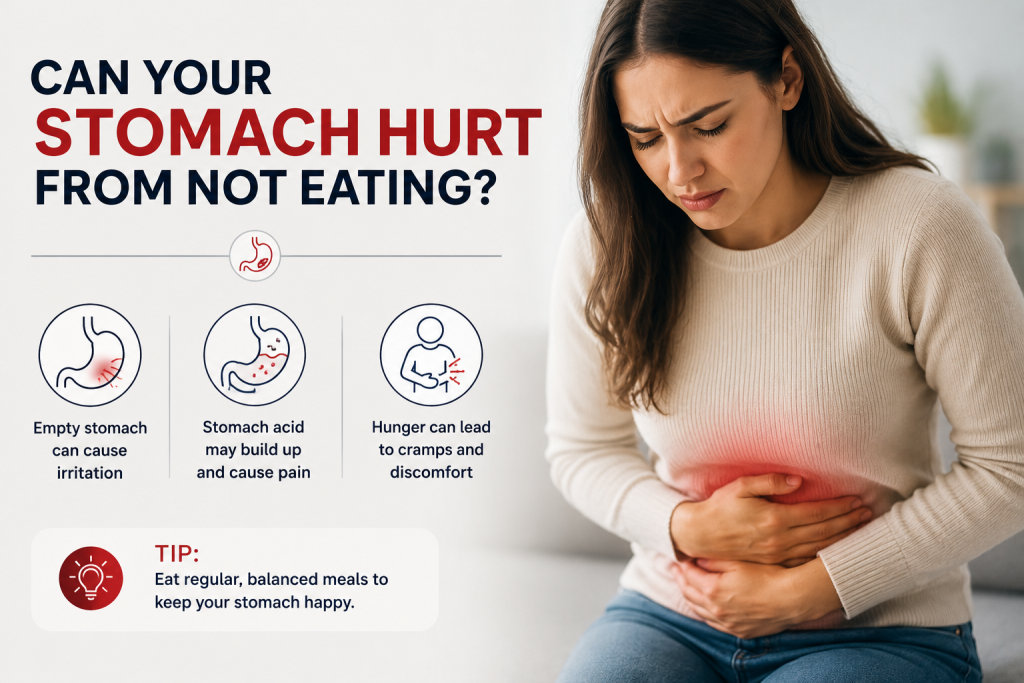
If you have ever wondered, can your stomach hurt from not eating, the answer is yes. An empty stomach can trigger normal hunger contractions that feel like gnawing, squeezing, rumbling, or mild upper-abdominal discomfort. For many people, the sensation fades after eating and is not a sign of disease.

But recurring pain when you have not eaten should not automatically be dismissed as hunger. Peptic ulcers can hurt when the stomach is empty or at night, gastritis can cause upper-abdominal burning or discomfort, and functional indigestion can create pain that does not follow a simple meal schedule. The pattern, location, severity, and accompanying symptoms matter more than the fact that you skipped a meal.

The short answer

Mild, temporary gnawing or cramping that appears after several hours without food and improves after a balanced snack or meal is often consistent with hunger pangs. Pain that is severe, persistent, repeatedly wakes you at night, comes with vomiting, black stools, blood, unintentional weight loss, fainting, fever, or significant tenderness should be medically evaluated.

Key Takeaways

  • Not eating can cause ordinary hunger pangs because an empty stomach and intestines continue to contract as hunger signals rise.
  • Hunger pain is usually temporary and often feels like gnawing, emptiness, rumbling, or mild cramping in the upper abdomen.
  • If pain repeatedly occurs when your stomach is empty and briefly improves after food, a peptic ulcer is one possible explanation and deserves medical evaluation if the pattern persists.
  • Gastritis and indigestion can also cause upper-abdominal burning, nausea, early fullness, or discomfort, but their symptoms are not always tied neatly to meals.
  • Skipping a meal does not usually cause true hypoglycemia in a healthy person without diabetes. It is more concerning in people using insulin or certain diabetes medicines.
  • A small balanced meal, water, and a return to a regular eating schedule may help ordinary hunger-related discomfort.
  • Do not repeatedly treat unexplained stomach pain with NSAID pain relievers such as ibuprofen or naproxen without medical guidance because NSAIDs can contribute to gastritis and peptic ulcers.
  • Seek urgent care for vomiting blood, black or tarry stools, severe constant abdominal pain, fainting, significant dizziness, or other signs of internal bleeding.

What Does Hunger Pain Actually Feel Like?

True hunger discomfort is often called a hunger pang or hunger pain. It typically feels different from the sharp, localized pain of an injury or the severe pain of an acute abdominal condition.

According to Cleveland Clinic’s explanation of hunger pangs, the sensation can include gnawing, rumbling, emptiness, abdominal discomfort, or noticeable contractions. The hormone ghrelin rises before meals and helps signal hunger, while muscles in the stomach and intestines continue to contract even when little food is present.

Feature More Consistent With Hunger More Reason to Look Further
Timing Appears after several hours without food Occurs randomly, constantly, or repeatedly at night
Feeling Gnawing, emptiness, rumbling, mild cramping Severe burning, stabbing, intense tenderness, persistent pressure
After eating Improves fairly soon No improvement, or food makes it much worse
Other symptoms No major symptoms Vomiting, bleeding, fever, weight loss, trouble swallowing
Duration Short-lived Keeps returning for days or weeks

Why Can an Empty Stomach Hurt?

There is not one single mechanism. Several normal processes overlap when you go longer than usual without food.

  • Hunger hormones rise. Ghrelin and other appetite signals tell the brain that energy intake is due.
  • The stomach and intestines still contract. These movements can be felt more clearly when the digestive tract is relatively empty.
  • Gas and fluid move through the gut. This can create rumbling and a hollow or crampy sensation.
  • Your usual meal timing matters. If your body is accustomed to eating at a certain time, hunger sensations may become noticeable around that schedule.
  • A prior meal may not have been filling. Meals low in protein, fiber, or overall calories may leave you hungry sooner.
  • Dehydration can be misread as hunger. Some people notice stomach sensations when they actually need fluids.

The important point is that ordinary hunger pain should settle once the body gets what it needs. If it does not, another digestive cause becomes more likely.

What If the Pain Is Burning and Gets Better After You Eat?

That pattern can happen with a peptic ulcer, especially an ulcer in the duodenum, which is the first part of the small intestine. Peptic ulcers are open sores in the lining of the stomach or duodenum. The two most common causes are Helicobacter pylori infection and regular use of nonsteroidal anti-inflammatory drugs, or NSAIDs.

The National Institute of Diabetes and Digestive and Kidney Diseases notes that ulcer pain can be dull or burning. For some people, it appears when the stomach is empty or at night and improves for a short time after eating. For others, eating makes the pain worse.

That means relief after food is not enough to diagnose an ulcer. If this pattern happens repeatedly, especially over several days or weeks, a clinician may consider testing for H. pylori, reviewing NSAID use, and deciding whether an upper endoscopy or other evaluation is needed.

Do not self-diagnose an ulcer from meal timing alone

Hunger pangs, gastritis, functional dyspepsia, reflux, and ulcers can overlap. The same person can also have more than one condition at the same time.

Can Gastritis Hurt More When You Have Not Eaten?

It can, but gastritis does not have one predictable meal pattern. Gastritis means inflammation of the stomach lining, while gastropathy refers to damage with little or no inflammation. Either can cause upper-abdominal discomfort, nausea, vomiting, appetite changes, or a feeling of getting full too quickly.

Some people describe the discomfort as burning or aching on an empty stomach, while others notice symptoms after meals. Many people with gastritis have no symptoms at all.

Common contributors include H. pylori infection, alcohol, and medicines that irritate the stomach lining, particularly NSAIDs. Food itself is not considered the main cause of most gastritis, so simply eating more often does not treat the underlying problem if the stomach lining is inflamed.

Could It Be Indigestion Even If You Have Not Eaten?

Yes. Indigestion, also called dyspepsia, is a group of symptoms that can include upper-abdominal pain or burning, early fullness, uncomfortable fullness after eating, bloating, nausea, and belching.

NIDDK notes that indigestion is not always related to eating. Many chronic cases are classified as functional dyspepsia, a disorder of gut-brain interaction in which symptoms can occur even when tests do not reveal a structural disease.

This is one reason a person can feel pain that seems like hunger even after they have eaten, or feel empty-stomach discomfort that does not consistently disappear with food.

Can Not Eating Cause Low Blood Sugar and Stomach Pain?

Skipping food can make you feel hungry, weak, shaky, irritable, or lightheaded, but true hypoglycemia is not the usual explanation in a healthy person without diabetes. The body normally releases stored glucose and adjusts hormones to keep blood sugar in a safe range during ordinary fasting.

Cleveland Clinic notes that fasting hypoglycemia in people without diabetes is uncommon and usually points to another factor such as heavy alcohol use, severe illness, certain hormone disorders, liver or kidney disease, or rare insulin-producing tumors.

The situation is different for someone using insulin or certain diabetes medications. Delaying or skipping a meal after medication can cause dangerous low blood sugar. Symptoms can include shaking, sweating, intense hunger, dizziness, fast heartbeat, confusion, and weakness.

If you use diabetes medicine

Follow your own hypoglycemia plan if you develop symptoms and check your glucose when advised by your clinician. Severe confusion, seizure, loss of consciousness, or inability to safely swallow is an emergency.

Where the Pain Is Can Give You a Clue

People often use the word “stomach” for almost any abdominal pain, but the location can help separate simple hunger discomfort from problems involving other organs.

Location Possible Pattern When It Deserves Attention
Upper middle abdomen Hunger, gastritis, dyspepsia, peptic ulcer Persistent burning, vomiting, bleeding, nighttime pain
Right upper abdomen Less typical for hunger Pain after fatty meals, fever, vomiting, or pain into shoulder/back
Lower abdomen More likely bowel, bladder, or pelvic causes than the stomach itself Persistent focal pain, fever, bowel changes, urinary symptoms
Severe pain into the back Not a typical hunger pattern Needs prompt assessment, especially with vomiting or fever

What Can You Do for Ordinary Hunger-Related Stomach Pain?

If the discomfort is mild, clearly connected to going longer than usual without food, and there are no warning signs, the goal is simply to restore a normal eating and hydration pattern.

  • Have a small balanced snack or meal rather than eating a very large amount quickly.
  • Include protein and fiber, such as yogurt with fruit, eggs with whole-grain toast, nuts with fruit, or another combination you tolerate well.
  • Drink water, especially if you have been busy, exercising, traveling, or consuming a lot of caffeine.
  • If large meals worsen symptoms, try smaller meals at regular intervals while you arrange medical advice for recurring pain.
  • Keep a short symptom log noting the time of pain, last meal, what you ate, medication use, bowel changes, and whether food helped.

The goal is not to graze constantly to suppress pain. If you repeatedly need food to stop stomach pain, the pattern itself is worth discussing with a healthcare professional.

What Should You Avoid Doing?

  • Do not repeatedly take ibuprofen, naproxen, or similar NSAIDs for unexplained stomach pain unless a clinician has told you they are appropriate.
  • Do not assume spicy food or stress caused an ulcer. They may worsen symptoms, but H. pylori and NSAID exposure are the major causes of peptic ulcers.
  • Do not use antacids as proof that the problem is harmless. Acid-relieving medicine can temporarily improve ulcer or reflux symptoms without treating the underlying cause.
  • Do not ignore recurrent nighttime pain, unintentional weight loss, persistent nausea, or progressive loss of appetite.
  • Do not continue fasting if you feel faint, confused, or severely weak, especially if you have diabetes, are pregnant, are ill, or take medicines that affect blood sugar.

When Should You Call a Doctor?

Make a non-emergency appointment if the pain is new and keeps returning, lasts more than a few days, regularly wakes you from sleep, is linked with nausea or early fullness, or changes your appetite and eating pattern.

A clinician may ask about NSAID use, alcohol, meal timing, weight change, bowel movements, family history, and medication use. Depending on the pattern, testing may include H. pylori breath or stool testing, blood tests, or an upper endoscopy.

When Is Empty-Stomach Pain an Emergency?

Do not wait for the next meal to see if symptoms improve when there are signs of bleeding or a severe abdominal problem.

  • Vomiting blood or material that looks like coffee grounds.
  • Black, tarry stools or visible blood in stool.
  • Severe, constant, or rapidly worsening abdominal pain.
  • Fainting, marked dizziness, weakness, or shortness of breath.
  • A rigid or very tender abdomen.
  • Repeated vomiting with inability to keep fluids down.
  • Chest, jaw, neck, or arm pain with upper-abdominal discomfort.
  • Yellowing of the skin or eyes, especially with abdominal pain.

These symptoms can occur with gastrointestinal bleeding or other urgent conditions and need prompt medical care.

A Simple Pattern Check: Hunger or Something Else?

Question If Yes If No What It Suggests
Did the discomfort start after an unusually long gap between meals? Hunger becomes more likely Look for another pattern Timing clue only
Does a normal snack or meal relieve it? Supports hunger, but does not rule out ulcer Less typical for simple hunger Track how quickly it changes
Is the pain mild and short-lived? More reassuring Persistent or severe pain needs evaluation Severity matters
Are there bleeding, weight-loss, fever, or vomiting symptoms? Seek medical care promptly Routine monitoring may be reasonable Red flags outweigh meal timing
Does it happen repeatedly for weeks? Medical evaluation is appropriate Occasional hunger pain is common Repetition changes the concern level

Frequently Asked Questions

Can skipping breakfast make your stomach hurt?

Yes. If your body is used to eating in the morning, delaying breakfast can lead to hunger pangs, rumbling, or mild cramping. The discomfort should improve after eating. Repeated burning pain or pain with other symptoms deserves evaluation.

Why does my stomach hurt when I am hungry but I do not feel like eating?

Hunger signals and appetite do not always feel identical. Stress, nausea, illness, dehydration, medications, gastritis, and indigestion can produce stomach sensations even when food is not appealing. Persistent appetite loss plus abdominal pain should be discussed with a healthcare professional.

Why does my stomach hurt in the morning before I eat?

A long overnight fast can cause ordinary hunger discomfort. However, recurring burning pain before breakfast or pain that wakes you during the night can also occur with peptic ulcer disease or other upper-digestive conditions.

Can stomach acid hurt an empty stomach?

The stomach normally produces acid even when it is empty, and the stomach lining is designed to protect itself. If the lining is inflamed or an ulcer is present, acid exposure may contribute to burning or gnawing pain. Normal stomach acid does not usually damage a healthy stomach simply because you skipped a meal.

Can not eating cause nausea?

Yes. Hunger, dehydration, stress, and changes in blood sugar can make some people feel mildly nauseated. Ongoing nausea, repeated vomiting, weight loss, or inability to eat normally needs medical evaluation.

Does eating help an ulcer?

Sometimes temporarily. NIDDK notes that some ulcer pain occurs when the stomach is empty and may improve briefly after eating, while other ulcers hurt more after food. Eating is not an ulcer treatment. H. pylori infection and NSAID-related injury require appropriate medical management.

How long should hunger pain last after eating?

There is no exact medical cutoff, but ordinary hunger discomfort usually eases as the stomach receives food and the hunger signal falls. Pain that stays strong, returns very quickly, or occurs repeatedly despite regular meals is less consistent with simple hunger.

Can anxiety make empty-stomach pain worse?

Yes. Stress and anxiety can change gut motility and increase awareness of normal intestinal contractions. They can also worsen functional indigestion symptoms. That does not mean persistent pain should automatically be blamed on anxiety.

The Bottom Line

Your stomach can hurt from not eating, and most people experience this at some point. Normal hunger pangs tend to be mild, temporary, and linked to a longer-than-usual gap between meals. They usually improve after you eat and are not accompanied by bleeding, fever, significant vomiting, or weight loss.

The same empty-stomach timing can also appear with peptic ulcers, gastritis, and functional indigestion, so repeated pain should not be dismissed simply because food makes it feel better. The more useful questions are where the pain occurs, how severe it is, whether it wakes you at night, how long it has been happening, and what other symptoms come with it.

If the pattern is occasional and clearly hunger-related, a balanced meal, hydration, and a steadier eating schedule may be enough. If the pain keeps coming back or has warning signs, getting the cause checked is safer than trying to manage it by eating every time it hurts.

Research note: This article was updated for U.S. readers using information available in August 2026. The supplied HealthCentral article was used for search intent and topic coverage, while medical details were checked against Cleveland Clinic, NIDDK, Mayo Clinic, and MedlinePlus. This information is educational and is not a diagnosis or a substitute for care from a qualified clinician.

Related reading: HealthCentral: Why Does My Stomach Hurt If I Don’t Eat?

An independent claim audit of ingredients, patch absorption, customer feedback, pricing, subscriptions, and safety.

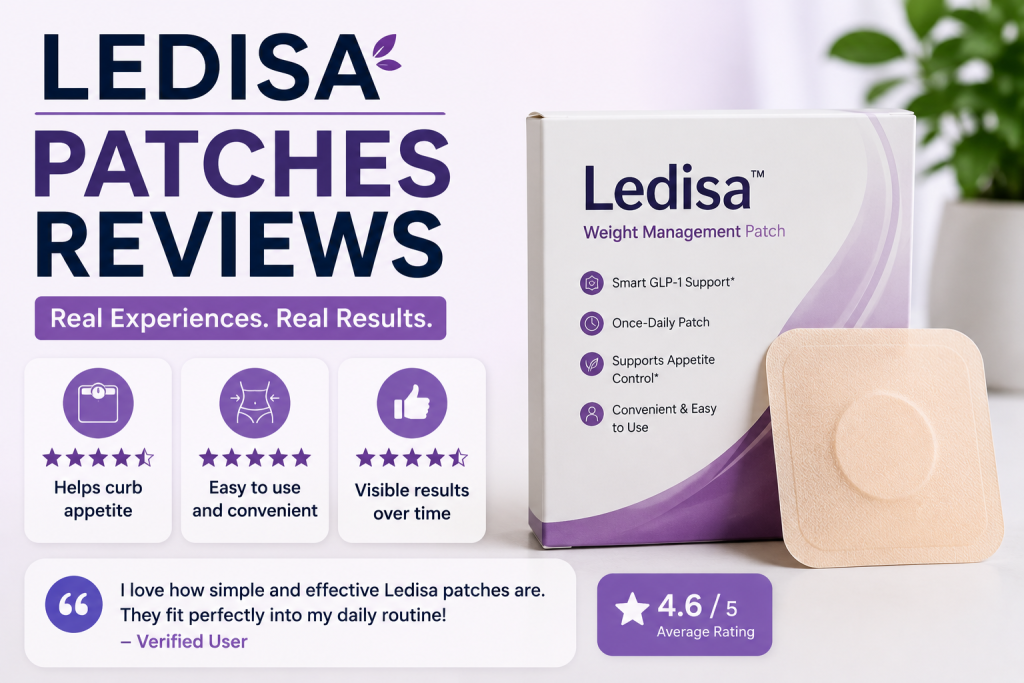
People searching for Ledisa patches reviews are usually trying to answer two separate questions: Do the patches reduce appetite or support weight loss, and is the company offering a fair, transparent purchase? Those questions deserve separate answers. The product is convenient and the brand openly states that its so-called GLP-1 patch does not contain GLP-1 medication. However, the stronger marketing claims are not backed by published clinical trials on the finished patch, and public customer feedback is mixed on results, subscriptions, and refunds.

The most important fact is that Ledisa patches are not a substitute for semaglutide, tirzepatide, or another prescription GLP-1 receptor agonist. They are multi-ingredient botanical patches marketed for appetite and weight-management support. As of this review, there is no FDA-approved GLP-1 weight-loss patch, and no publicly available evidence shows that the Ledisa formula delivers clinically meaningful amounts of its listed ingredients through intact skin.

KEY TAKEAWAYS

·        Ledisa says its GLP-1 patch contains no GLP-1 drug and is not a GLP-1 receptor agonist medication.

·        We found no peer-reviewed human trial of the finished Ledisa patch and no public pharmacokinetic data showing how much of each ingredient reaches the bloodstream.

·        Different Ledisa product pages displayed different ingredient lists and presentation details during this August 2026 review, so buyers should verify the label on the exact package they receive.

·        Customer star ratings are difficult to interpret because many reviews discuss ordering or hopes for results rather than measured weight change.

·        The return policy is more limited than the phrase “90-day money-back guarantee” may suggest because opened products generally cannot be returned and renewal orders have separate restrictions.

Should You Buy Ledisa Patches? The Bottom Line First

Our editorial verdict: Ledisa patches are not recommended as a weight-loss treatment or as an alternative to prescription GLP-1 therapy. The main problem is not that every botanical ingredient is automatically useless. The problem is that studies of swallowed ingredients cannot be assumed to apply to a small skin patch, especially when absorption, delivered dose, manufacturing consistency, and finished-product outcomes have not been demonstrated publicly.

Someone may still like the simplicity of wearing a patch, but convenience is not proof of effectiveness. A fair review must give more weight to verified formulation and clinical data than to testimonials, before-and-after images, or the phrase “science-backed ingredients.”

How Does Ledisa Score on the Factors That Matter?

Review area Rating Reason
Convenience 4/5 One patch daily is simple and needle-free.
Ingredient transparency 2/5 Ingredients are listed, but current pages are inconsistent and a clear delivered dose is not established.
Finished-product evidence 1/5 No published clinical trial or absorption study of the finished Ledisa patch was found.
Customer-review usefulness 2/5 Large review volume exists, but many comments do not document product use or objective results.
Purchase transparency 2/5 Discounts, refill options, and return conditions require careful reading.
Overall evidence-based value 2/5 The product may be easy to use, but the core weight-management claims remain unproven.

What Are Ledisa Patches, Exactly?

Ledisa markets a collection of wellness patches, including appetite-support products. On the brand’s official GLP-1 patch page, the company describes the product as a botanical patch intended to complement healthy eating and exercise. The page also states that the product does not contain GLP-1 and is not a GLP-1 agonist drug. That disclaimer is important because the product name can otherwise create an association with prescription medications that have a very different mechanism, evidence base, dosing system, and regulatory status.

The company instructs users to apply one patch to clean, hair-free skin for up to eight hours and rotate application sites. Depending on the Ledisa page viewed, the formula may list berberine, garcinia cambogia, cinnamon, L-glutamine, chromium, apple cider vinegar extract, resveratrol, alpha-lipoic acid, pomegranate, B vitamins, magnesium, psyllium, hops, bitter melon, green tea, and other ingredients.

Why the ingredient-page differences matter

During this review, one Ledisa page listed a group of ingredients without per-ingredient amounts, while another indexed product page displayed a longer formula with specific milligram quantities. Formulas can change, and old pages can remain indexed, but a buyer should not have to guess which version is current. Check the physical package label before applying the first patch and save a photo for your records.

What Do the Marketing Claims Actually Prove?

Marketing message What can be verified Evidence gap
“Supports GLP-1 production” Some oral nutrients can influence glucose metabolism, gut signaling, or appetite-related pathways. No published trial shows that this patch raises GLP-1 to a clinically meaningful level.
“Direct through-skin delivery” Transdermal delivery is possible for carefully engineered drugs with suitable properties. No public absorption study shows the delivered dose of Ledisa’s botanical blend.
“Science-backed ingredients” Individual ingredients have been studied, usually by mouth and at defined doses. Ingredient studies do not validate a different multi-ingredient patch formula.
“Reduces hunger and cravings” Some customers report feeling less hungry. Testimonials cannot separate product effects from diet changes, expectations, or normal fluctuation.
“Healthy weight management” The company advises pairing patches with diet and exercise. No controlled finished-product trial establishes how much, if any, weight change is caused by the patch.

Why Is the Patch Format the Biggest Scientific Unknown?

The skin is designed to keep substances out. Successful transdermal drugs usually have carefully selected molecular properties, validated delivery systems, stable dosing, and human pharmacokinetic studies. A patch can stick well and still fail to deliver a useful amount of an active ingredient.

A 2026 peer-reviewed review of “natural GLP-1” transdermal products identified 24 patch products and one gel product in the category. The authors found widespread problems such as absent certificates of analysis, inconsistent disclaimers, deceptive advertising, poor reviews, and reports suggesting lack of efficacy or adverse effects. The paper evaluated the category rather than proving that every individual brand has the same problem, but it reinforces why a product-specific absorption study is essential.

This distinction is often missed in supplement advertising. Evidence that oral berberine affects a laboratory marker does not show that several milligrams placed on the skin will reach the blood. Evidence that a prescription transdermal patch works does not prove that an herbal patch works. Route, formulation, dose, and manufacturing all matter.

What Should You Know About the Main Ingredients?

Berberine

Berberine has limited evidence for modest effects on blood sugar and body weight when taken orally in studied doses. It can cause gastrointestinal symptoms and can interact with medications. The National Center for Complementary and Integrative Health advises against berberine during pregnancy or breastfeeding. None of that evidence establishes effective delivery from the Ledisa patch.

Garcinia cambogia

Research on garcinia cambogia and weight loss is inconsistent. Any average benefit appears small or uncertain. Rare but serious liver injuries have been reported with garcinia-containing supplements, including multi-ingredient products. It may also interact with medicines affecting the liver or serotonin. The risk from a patch cannot be quantified without reliable absorption data, which is another reason uncertainty does not equal safety.

Chromium picolinate, cinnamon, and alpha-lipoic acid

These ingredients are commonly marketed for glucose support. Oral studies have produced mixed results, and they may affect blood sugar in some people. Anyone using insulin or another glucose-lowering medication should discuss the product with a pharmacist or clinician rather than assuming a topical supplement cannot interact.

Apple cider vinegar, pomegranate, resveratrol, vitamins, and plant extracts

These ingredients sound familiar and may have nutritional or antioxidant associations, but a long ingredient list is not proof of a stronger product. Without the verified amount released from the patch and absorbed through the skin, shoppers cannot compare the formula with doses used in human research.

Adhesive and skin exposure

The most predictable risk is local irritation. Adhesive patches can cause redness, itching, burning, blistering, or contact dermatitis. Heat can change patch behavior, which is why the company advises against using a heating pad over the product. Stop use and wash the area if a reaction develops. Seek medical care for facial swelling, trouble breathing, widespread hives, severe blistering, or signs of infection.

What Do Ledisa Customer Reviews Really Show?

Public review platforms show a large number of Ledisa comments, but review volume should not be confused with clinical proof. Positive comments frequently mention easy ordering, fast shipping, convenience, reduced snacking, or a subjective sense of appetite control. Negative comments describe no noticeable effect, skin irritation, difficulty canceling, unexpected renewal charges, or refund disputes.

A notable limitation is that some highly rated comments were posted before the reviewer had received or meaningfully used the product. Statements such as “hope it works,” “ready to start,” or praise for the checkout process can raise a brand’s average rating without telling a future buyer whether the patch changes appetite or weight.

Reviews are most useful when they include the exact product version, length of use, starting and ending weight, diet or medication changes, adverse effects, whether the reviewer purchased a subscription, and whether the review was incentivized. Even then, an individual experience cannot establish cause and effect.

A better way to read testimonials

Give more weight to detailed, verified-purchase reviews written after at least several weeks of use. Give less weight to comments about anticipation, packaging, ordering speed, or dramatic results without dates and measurements.

How Much Do Ledisa Patches Cost, and What Should You Check at Checkout?

Pricing changed across the brand’s active and indexed pages during this review. The main site displayed discounted per-pack prices that varied by quantity and whether the buyer selected a one-time purchase or subscription. A one-month promotional price around $25 was shown in some purchase paths, while regular or multi-pack totals were higher. These numbers can change, so the cart total and renewal language are more important than a headline discount.

  • Confirm whether “Subscribe & Save,” “Smart Refill,” or a similar recurring option is selected.
  • Write down the renewal frequency and the date the next charge is scheduled.
  • Take screenshots of the checkout page, price, cancellation terms, and guarantee language.
  • Do not assume a multi-pack price is the total price. Verify whether it is displayed per pack or for the entire order.
  • Review the card statement after purchase and save the order confirmation email.

Does the 90-Day Guarantee Mean You Can Try the Product Risk-Free?

Not exactly. Ledisa advertises a 90-day money-back guarantee, but its published return policy says opened wellness products generally cannot be returned for hygiene reasons. For a multi-pack order, the customer may be able to return unopened, unused packs within the stated window. The guarantee applies to the original purchase, while later subscription renewals are governed by separate cancellation rules and are not refunded solely because the customer forgot to cancel before the billing cutoff.

That does not make the policy unusual for a consumable product, but it does mean “risk-free” may be understood more broadly than the written conditions allow. Read the current policy before ordering and contact customer support promptly if the purchase confirmation does not match what you intended.

Who Should Avoid Ledisa Patches or Ask a Clinician First?

The brand advises people who are pregnant, nursing, younger than 18, or taking medication to consult a healthcare professional. Extra caution is appropriate for people with diabetes, liver disease, kidney disease, a history of severe allergies, sensitive skin, or anyone taking multiple prescriptions or supplements.

  • Do not place a patch on broken, inflamed, sunburned, recently shaved, or infected skin.
  • Do not layer a heating pad, hot-water bottle, tight compression wrap, or another topical product over the patch.
  • Do not use the patch to replace prescribed diabetes or obesity treatment.
  • Stop using it if you develop persistent redness, burning, blistering, dizziness, vomiting, yellowing of the skin or eyes, dark urine, or another concerning symptom.
  • Bring the package or a clear label photo to a pharmacist when checking for interactions.

What Should You Do If You Already Bought the Patches?

First, check whether the order is one-time or recurring. Next, compare the ingredient label on your package with the formula shown when you purchased it. If you choose to use the product after discussing it with a healthcare professional, change only one variable at a time. Starting a new diet, several supplements, and a patch together makes it impossible to identify what caused a benefit or side effect.

Track appetite, meals, body weight, waist measurement, skin reactions, sleep, and other symptoms for a defined period. Use the same scale, similar clothing, and the same time of day. Stop if the product causes irritation or if you are delaying evidence-based care while waiting for it to work.

What Better-Supported Options Exist for Weight Management?

The best option depends on health history, body mass index, medications, insurance, pregnancy plans, and personal goals. Evidence-based care may include nutrition counseling, resistance and aerobic exercise, sleep and stress treatment, behavioral therapy, treatment of conditions that affect weight, and FDA-approved medication when appropriate. Bariatric procedures may be considered for some people based on clinical criteria.

A primary care clinician, obesity-medicine specialist, or registered dietitian can help separate realistic options from marketing. Someone who wants to avoid injections can ask about approved oral therapies, but the right choice requires medical screening. A supplement patch should not be used to self-treat diabetes or to imitate a prescription drug.

Frequently Asked Questions

Do Ledisa patches contain semaglutide or tirzepatide?

No. Ledisa’s own disclaimer says the patches do not contain GLP-1 and are not GLP-1 receptor agonist medication. They contain botanical and nutrient ingredients marketed as supporting the body’s natural processes.

Are Ledisa patches FDA-approved?

No. There is no FDA-approved Ledisa GLP-1 patch and no FDA-approved over-the-counter GLP-1 weight-loss patch. The FDA does not preapprove supplement-style products for effectiveness in the same way it reviews prescription drugs.

Can a Ledisa patch lower blood sugar?

There is not enough product-specific evidence to know. Several listed ingredients have been studied orally for glucose-related effects, but the patch’s absorption and delivered dose are not established. People using diabetes medication should not experiment without professional guidance because an unexpected glucose change can be dangerous.

How long does Ledisa say the patches take to work?

Some brand pages recommend daily use for three to six months, while marketing timelines describe changes beginning earlier. Those timelines are not the same as results from a controlled trial of the finished patch.

Are Ledisa reviews fake?

It is not possible to label all reviews as genuine or fake from public information alone. The more important issue is review relevance. Many comments evaluate the ordering experience or express hope before product use, while others report specific positive or negative experiences. Neither group replaces clinical evidence.

Can I return opened Ledisa patches?

The brand’s current return policy says opened wellness products generally cannot be returned. Unopened packs from a qualifying order may be eligible within the policy window. Subscription renewals have additional restrictions, so check the current terms and contact the company promptly.

Final Verdict: What Do Ledisa Patches Reviews Add Up To?

The available Ledisa patches reviews do not provide reliable proof that the product causes meaningful appetite suppression or weight loss. The company deserves credit for stating that the patch contains no GLP-1 drug, but the product name and stronger promotional language can still encourage comparisons with prescription medications that are not scientifically justified.

For a product built around transdermal delivery, the missing information is fundamental: a verified current formula, quality documentation, ingredient-release testing, human absorption data, and a controlled trial of the finished patch. Until those are available, Ledisa should be viewed as an unproven wellness product, not a GLP-1 treatment. Consumers who still consider purchasing should read the subscription and return terms carefully, verify the package label, and discuss the ingredients with a pharmacist or clinician.

Medical disclaimer

This article is for general educational purposes and does not diagnose, treat, or replace individualized medical care. Seek urgent help for trouble breathing, facial or throat swelling, severe blistering, fainting, or another serious reaction.